Protective Style or Natural Style? How to Choose Without Damaging Your Hair
MISSOURI CITY HEALTHY-HAIR GUIDE
Protective Style or Natural Style? How to Choose Without Damaging Your Hair
A style is not protective simply because the ends are hidden. If it is too tight, too heavy or left in too long, the name of the style will not protect your hair.
What Makes a Style Protective?
A protective style reduces repeated combing and keeps the ends contained. Braids, twists with added hair and temporary loc-inspired styles can be useful when installed and maintained responsibly.
- Avoid excessive tension.
- Limit added weight.
- Keep the scalp clean.
- Remove the style before matting develops.
When a Natural Style May Be Better
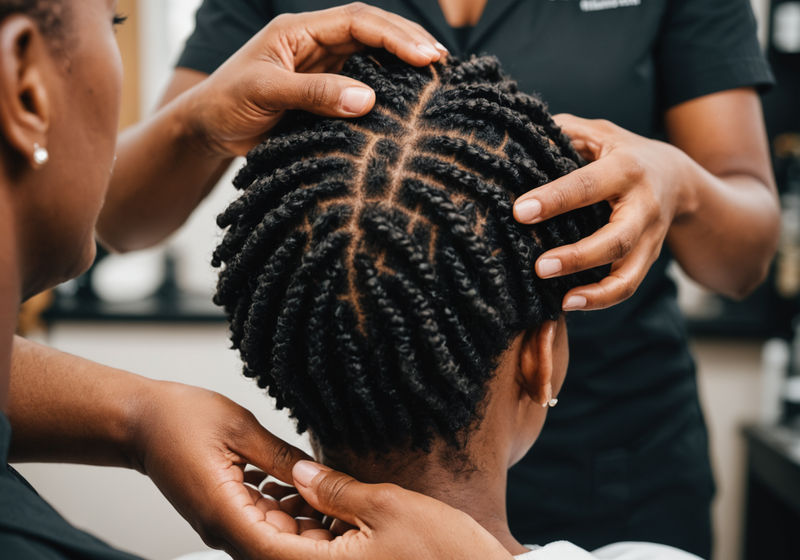
A natural style may be a better choice when the edges are fragile, the scalp needs easy access or you want less added weight. Two-strand twists can reduce daily manipulation without extensions.
When Protective Styling Can Help
Protective styling can be useful during travel, busy work periods or seasons when you want fewer daily styling decisions. Goddess locs provide a temporary loc-inspired option.
Scalp Care Still Matters
Sweat, oil and product do not stop collecting because the hair is braided. Use lightweight products and cleanse according to the style and scalp condition.
Takedown Is Part of the Style
- Work in sections.
- Cut extension hair well below your natural length.
- Separate shed hair before shampooing.
- Use slip and detangle from the ends upward.
What About Permanent Locs?
Permanent locs are a different journey, not simply a longer protective style. Review starter locs, instant locs and maintenance options before committing.


